Store Location
Taco-Motos Amsterdam
Petroleumhavenweg 26, 1041AC Amsterdam, Netherlands, Phone 0031613658408
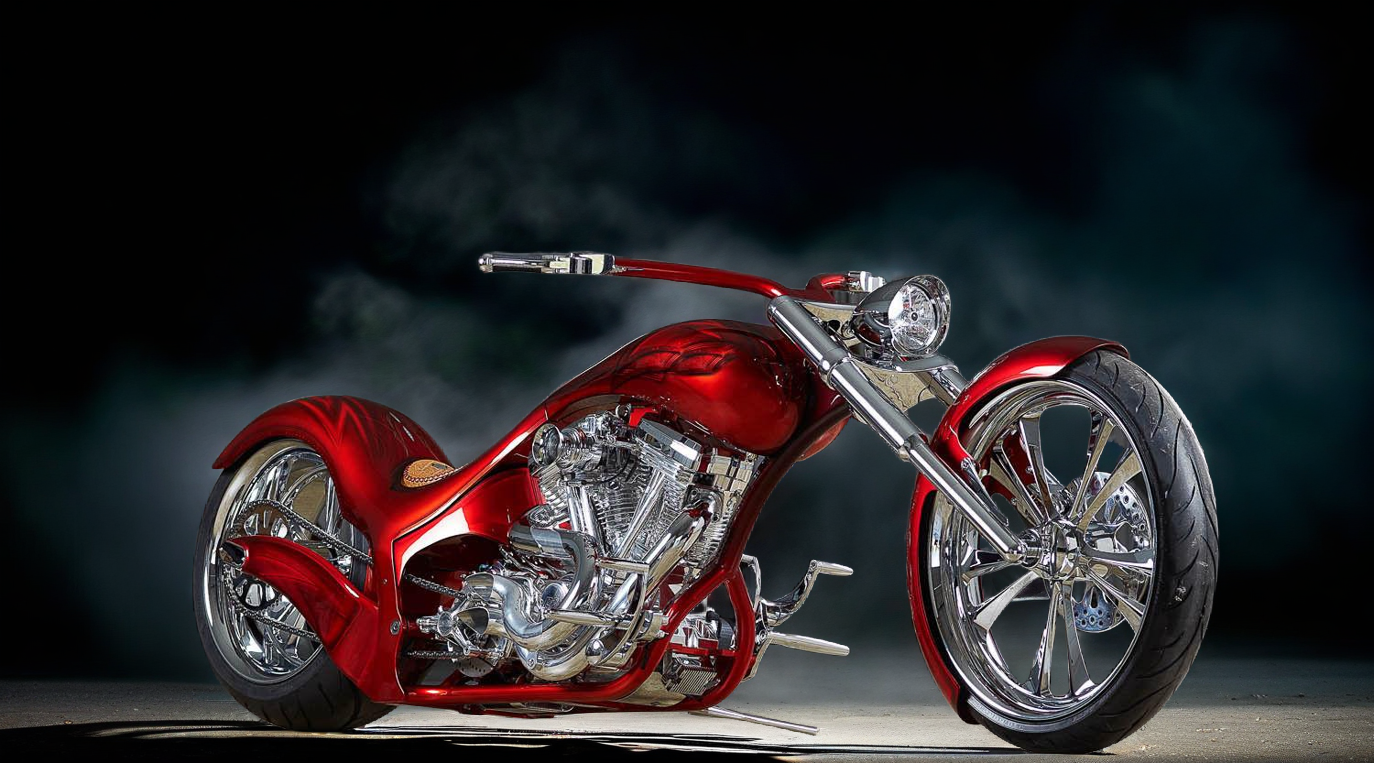
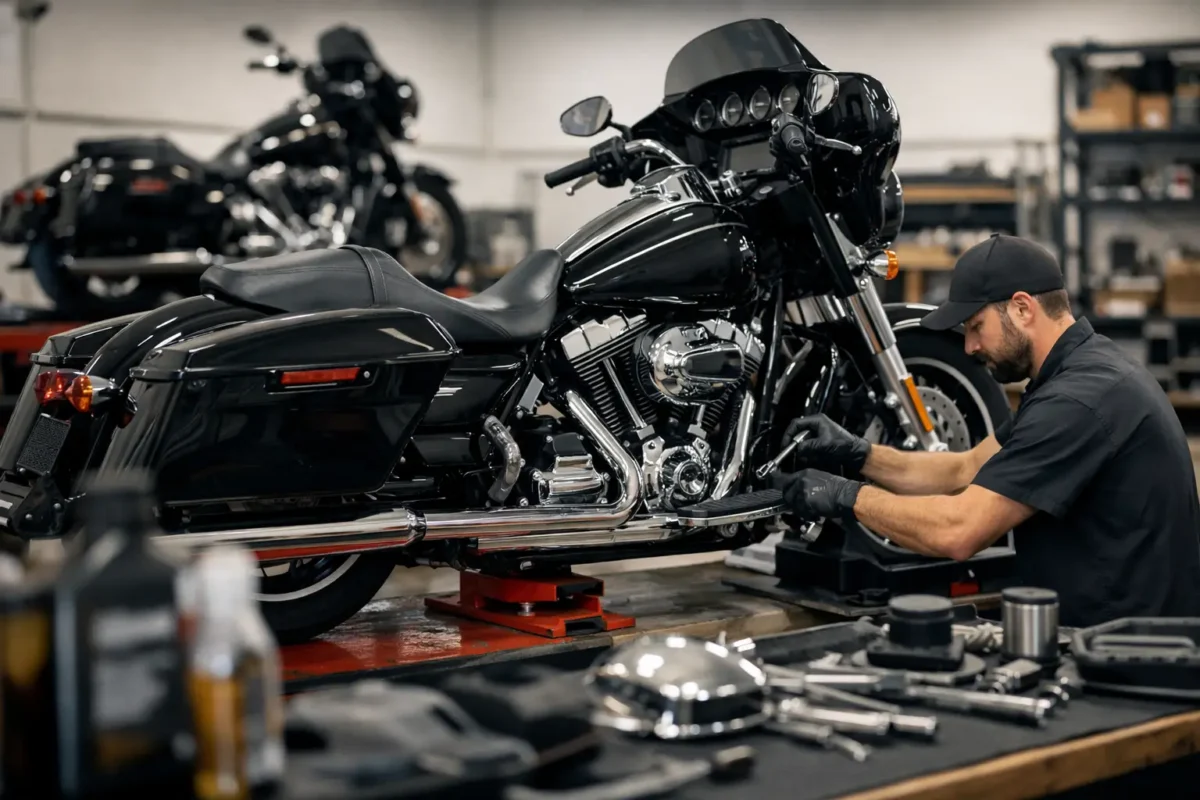
If you are asking what is included in Harley full service, you are usually at the point where a basic oil change no longer feels like enough. That is the right instinct. A Harley can run with neglected wear items for a while, but when service gets reduced to just fresh oil, small problems start stacking up – loose fasteners, tired brake fluid, worn belts, charging issues, dirty filters, clutch adjustment, and things that only show up when someone actually inspects the bike properly.
A full service is not one single fixed package across every workshop. It depends on model, mileage, age, riding style, and whether the bike is stock, tuned, or heavily modified. But on a proper Harley service, the goal is always the same: replace the critical fluids, inspect the systems that affect reliability and safety, and catch wear before it turns into breakdowns or expensive repairs.
At minimum, a full service should cover all the routine maintenance points that matter on a Harley-Davidson, not just the easy ones. That usually means engine oil and filter replacement, checking or replacing transmission and primary fluids where applicable, inspecting brakes, checking tires, examining the final drive, testing battery and charging output, and going over the bike for leaks, play, damage, and loose hardware.
That sounds broad because it is. A real full service is part maintenance and part inspection. The value is not only in what gets replaced. It is also in what gets found.
For an Evolution, Twin Cam, Milwaukee-Eight, or Sportster-based bike, the exact checklist changes a bit. Some models use separate primary and transmission fluids, some service intervals vary, and some bikes with aftermarket parts need extra attention around fitment, torque, and tuning. A specialist workshop will factor that in instead of applying a generic motorcycle service sheet.
Most riders think first about oil, and that is fair. Engine oil and filter replacement are central to any Harley full service. Air-cooled and oil-cooled V-twins live hard lives, especially in traffic, summer heat, short-trip use, or tuned applications. Good oil matters, but so does checking what the used oil says about the engine. Metal in the drain pan, fuel smell, or contamination can point to bigger issues.
On many Harley models, a full service also includes changing the transmission fluid and primary chaincase fluid. These systems do different jobs, and each fluid takes its own abuse. Skipping them for too long can lead to notchy shifting, clutch problems, excess wear, and unnecessary heat.
Brake fluid is another one riders often overlook because it does not get dirty in an obvious way. But brake fluid absorbs moisture over time. When that happens, braking performance and internal component life both suffer. On a full service, the condition of the brake fluid should be checked, and if the interval says it is due, it should be flushed and replaced.
A Harley full service often includes inspection or replacement of the air filter and spark plugs, depending on condition and interval. That matters more than people think. A dirty air filter can affect throttle response and fueling. Old plugs can cause rough running, weak combustion, hard starting, and poor mileage.
On a stock bike used mainly for normal road riding, these items may simply be checked and replaced when needed. On a bike with intake, exhaust, and tuner upgrades, they deserve more attention. Modified Harleys can run great, but they are less forgiving when maintenance gets lazy.
This is also where a workshop may look at idle quality, cold start behavior, and whether the bike shows signs of fueling or ignition issues. A full service is a good time to catch early symptoms before the rider ends up chasing a bigger drivability problem.
Safety items should never be treated like an extra. A proper service includes measuring brake pad wear, checking discs or rotors for condition, inspecting lines and fittings, and making sure the system feels correct at the lever and pedal. If something is marginal, that should be flagged before it becomes urgent.
Tires also need more than a quick look. Tread depth is only one part of the story. Age, cracking, uneven wear, profile distortion, and correct pressure all matter. A Harley that spends time loaded up, parked for long stretches, or ridden on underinflated tires can hide tire issues that only show up under close inspection.
Then there is the chassis. A full service should include checking wheel bearings where applicable, steering head bearings, suspension condition, and general play in components that should not move. On older bikes especially, this is where experienced hands make a difference. Not every problem is visible. Some are felt during inspection or road test.
Harleys put a lot of trust in simple, durable systems, but those systems still wear. A full service should include inspection of the drive belt for damage, alignment issues, and tension where relevant to the model and setup. Replacing a neglected belt is a lot cheaper in the workshop than dealing with one that fails on the road.
Clutch operation should also be checked. That includes cable condition and adjustment on cable-operated systems, feel at the lever, engagement point, and signs of drag or slip. On hydraulic systems, function and fluid condition matter.
Throttle cables, return action, and control operation should be smooth and predictable. If the bike has electronic throttle, the workshop is checking in a different way, but the principle stays the same. Controls should work cleanly, with no binding, excessive free play, or delayed response.
A lot of Harley problems that get described as random are electrical. Weak batteries, poor grounds, charging faults, corroded connectors, and accessory wiring done badly can all create headaches that come and go.
That is why a proper full service usually includes battery testing, charging system checks, and inspection of lights, switches, and visible wiring. If the bike has added accessories like extra lighting, audio, a tuner, heated gear leads, or security systems, that wiring deserves a close look too.
This is one area where a specialist shop has an advantage. Harleys often carry years of owner modifications. Some are done right, some are not. A technician who knows these bikes can spot the difference quickly.
Harleys vibrate. Even the smoother ones still shake hardware, brackets, heat shields, exhaust mounts, and accessories over time. That is normal. Ignoring it is not.
A full service should include a general fastener check in the areas that commonly work loose, along with inspection for oil leaks, primary leaks, fork seepage, fuel seepage, and exhaust leaks. This part of the job rarely shows up in big marketing language, but it is one of the most valuable parts of the service.
When a workshop takes the time to look over the whole bike, it often finds the beginnings of problems that have not stranded the rider yet. That is the difference between maintenance and damage control.
Harley service schedules exist for a reason, and mileage-based intervals should be followed. But mileage alone does not tell the whole story. A low-mile bike that sits for months can need more attention than a regularly ridden bike with higher miles. Age affects seals, tires, brake fluid, fuel systems, and batteries even when the odometer barely moves.
The same goes for riding style. Long highway runs are different from city traffic, short trips, aggressive riding, two-up touring, or frequent cold starts. A tuned engine or custom build may also need tighter oversight than a stock bike.
So if you are wondering whether your bike needs a full service now or later, the honest answer is that it depends. Service books give the baseline. Real workshop inspection gives the truth.
After a proper Harley full service, you should know more than just the invoice total. You should know the current condition of the bike, what was replaced, what is still healthy, and what needs attention next. The bike should start cleanly, run properly, shift as it should, stop confidently, and feel sorted instead of just freshly oiled.
That is why riders who care about reliability, performance, and long-term ownership usually prefer a Harley specialist over a general shop. On these bikes, details matter. Fitment matters. Model differences matter. And experience matters even more once the bike is older, modified, or used the way a Harley should be used.
If you want your Harley to stay dependable, a full service is not about checking boxes. It is about giving the bike a proper mechanical review before small wear turns into a roadside problem or an expensive rebuild.
Overview of Technoresearch Harley Tuning and Diagnostic Software
Diagnostic Capabilities
Reading and Clearing Trouble Codes
Bleeding ABS after Handlebar Work
Key Fob Programming
Program New Key Fobs for Forgetful Customers
Tuning Capabilities
Tuning Stock ECU
Custom Tuning for Your Bike
Carburetor Tuning in our Workshop
Conclusion
Unlock the Full Potential of Your Harley with Advanced Diagnostic Software
On the Road to Rotterdam: A Tale of Fixing a Biker’s Breakdown
Rescuing a Young English Biker: Troubleshooting a Breakdown and Reviving the Ride
Restoring the Power: Replacing the Advance Unit and Fine-Tuning Point Ignition
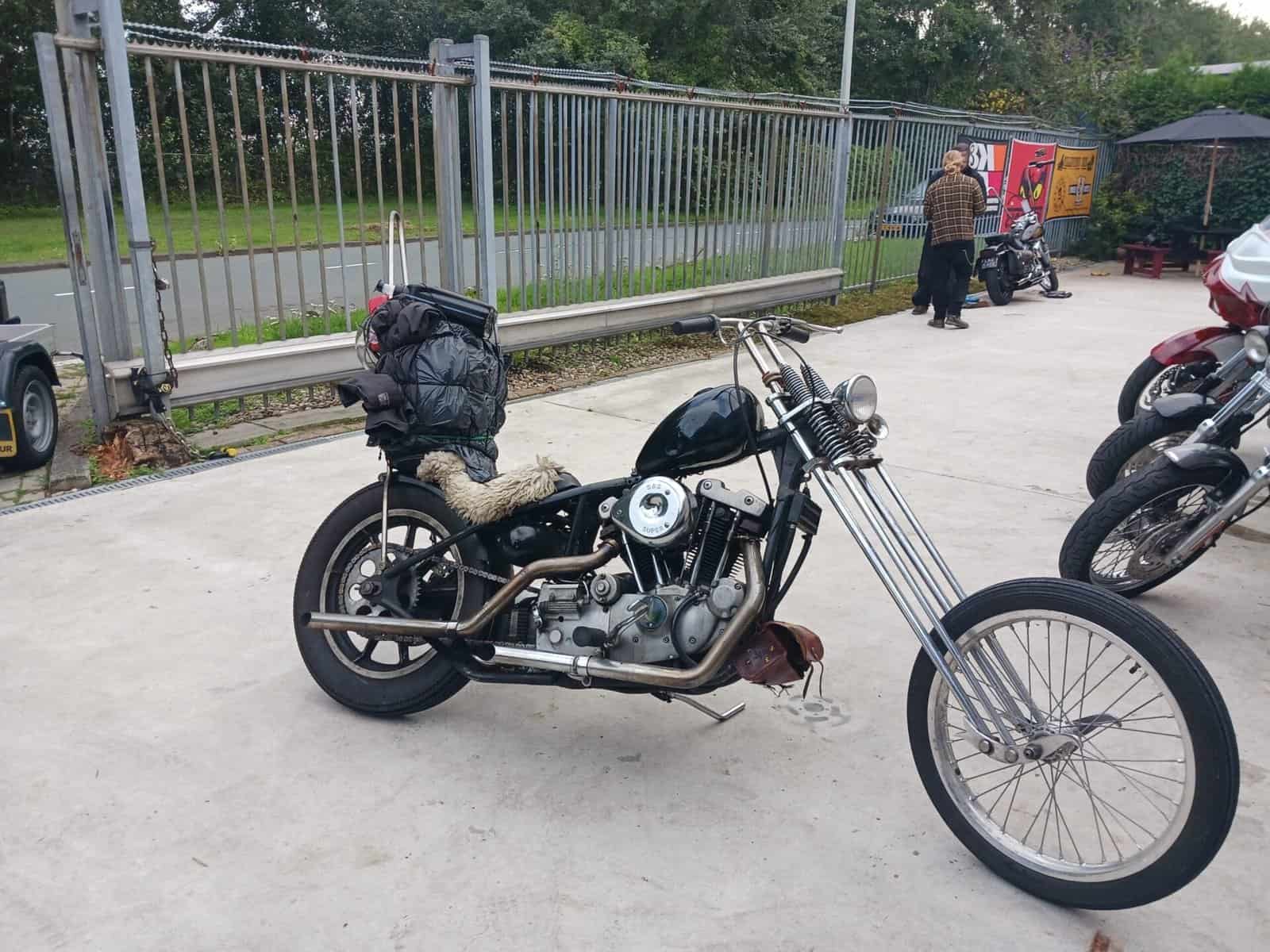
Ecomaxx Clean Fuels for Motorcycles
You want action. Start and go. Even after a long winter break. Ecomaxx’s clean and long-life fuels offer just that – and more. Always starting, better for the environment, and perfectly tailored to your vehicle or boat.
Motorcycles and mopeds
An engine that always starts – even after a long winter break
For all motorcycles and mopeds.
Problems with regular pump gasoline?
Tank Ecomaxx, guaranteed ethanol-free.
Ordinary pump gasoline contains ethanol to make the fuel more climate-friendly. But that ethanol can cause damage to your engine. E10 petrol contains up to 10% ethanol, E5 petrol contains virtually no ethanol, up to a maximum of 5%.
Ecomaxx Clean Fuels for Motorcycles
Language: US English.
Upgrade your ride: Dive into the advanced features of Saddleman’s SDC seat with a removable backrest
Dirk is happy with his new SDC seat from Saddleman with removable backrest
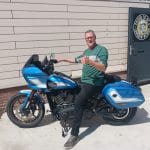
Exploring Customization Options for the 2023 Lowrider: Alcapone Apehanger, Saddleman Step-Up Seat, Tank Lift, and More!
No account yet?
Create an Account